

We're Here to Assist You
Cockroach Control: A Recent Job & Some Homeowner Tips
Category: Holiday
Published: November 01, 2026
By David, Owner, Guardian Pest & Termite Services
What We Walked Into
November is when I start reminding homeowners around the Greater Charlotte metropolitan area that cockroach problems don't disappear just because the weather is getting cooler.
Cockroaches can remain active indoors throughout the year, especially in kitchens, bathrooms, laundry rooms, and other areas where they can find food, water, and shelter.
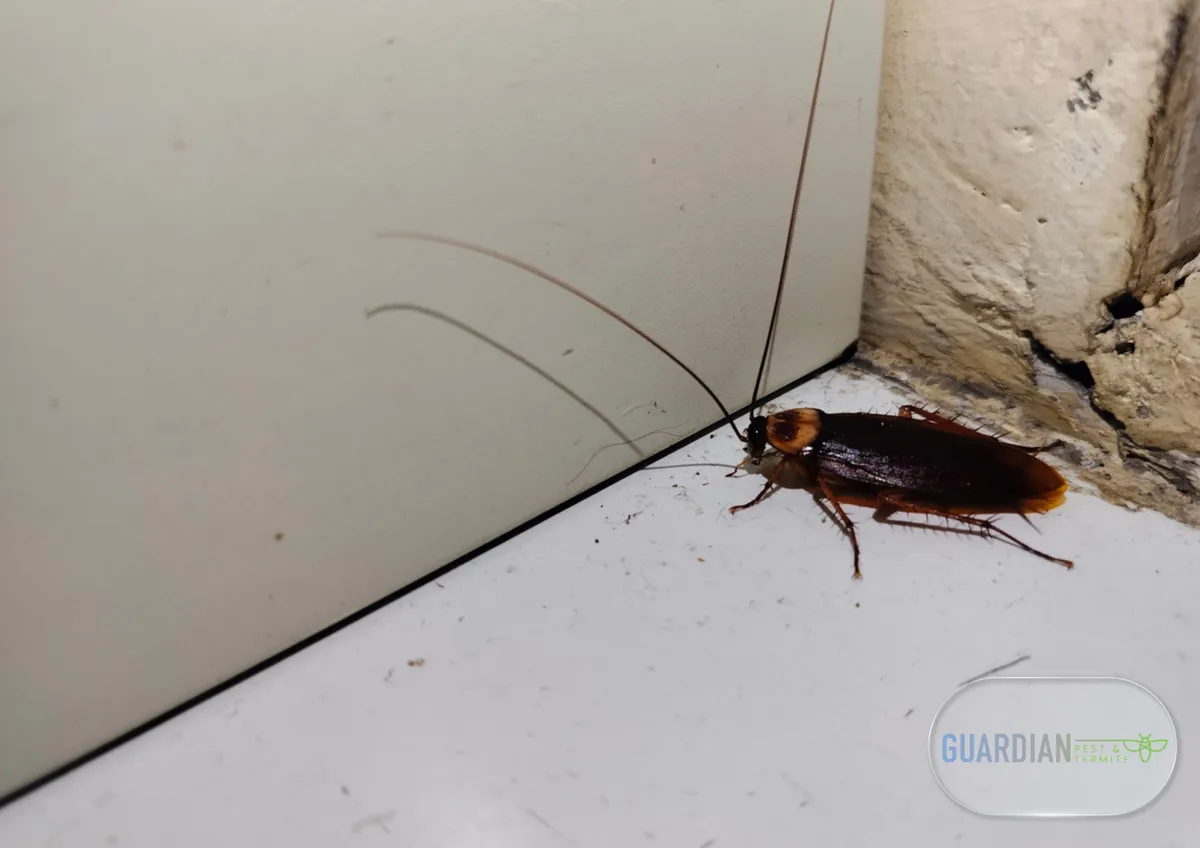
Earlier this month, I got a call from a homeowner who had started noticing small cockroaches around the kitchen sink late at night.
At first, they only saw one or two. They cleaned the counters, sprayed around the cabinets, and figured the problem was handled. A few days later, they noticed another cockroach near the dishwasher.
When I arrived, the homeowner showed me where the activity had started. The kitchen looked clean, but I wanted to check the areas underneath and behind the appliances before deciding what needed to be done.

The Problem
The first thing I noticed was evidence of cockroach activity underneath the kitchen sink and around the dishwasher.
There were small droppings near the back corners of the cabinet and signs that cockroaches had been moving through gaps around the plumbing.
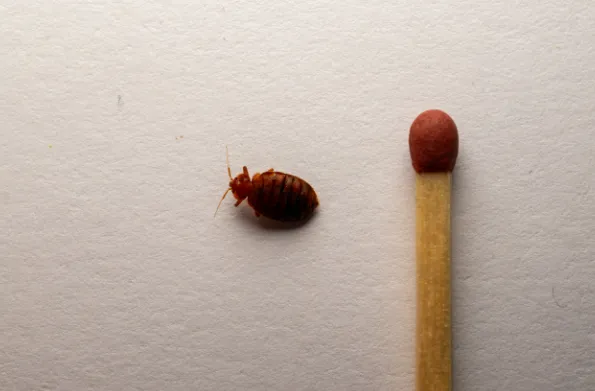
After checking a few more areas, I identified German cockroaches, which are one of the species I pay close attention to because they reproduce quickly and can become established indoors.
The homeowner was surprised because they kept their kitchen clean.
That's something I hear fairly often. People assume cockroaches only show up in dirty homes, but that's not necessarily true.
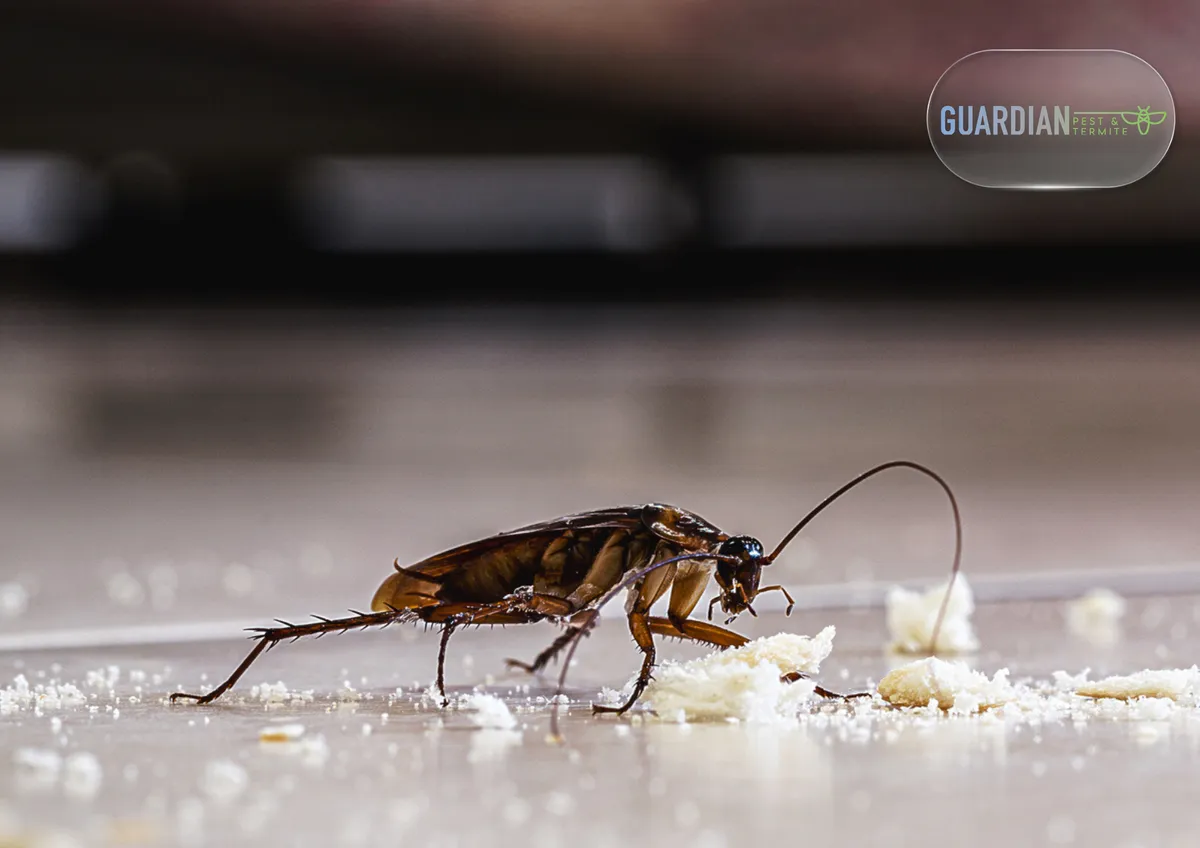
A cockroach can find enough food from crumbs underneath appliances, grease around cooking areas, or residue inside cabinets. A small plumbing leak or moisture around the sink can provide the water it needs.
In this case, there was some moisture underneath the sink, and the space behind the dishwasher was warm and rarely disturbed.
Those conditions gave the cockroaches a place to hide during the day and move around at night.
The homeowner had been spraying whenever they saw one, but the activity continued because the hidden areas hadn't been addressed.
The Process
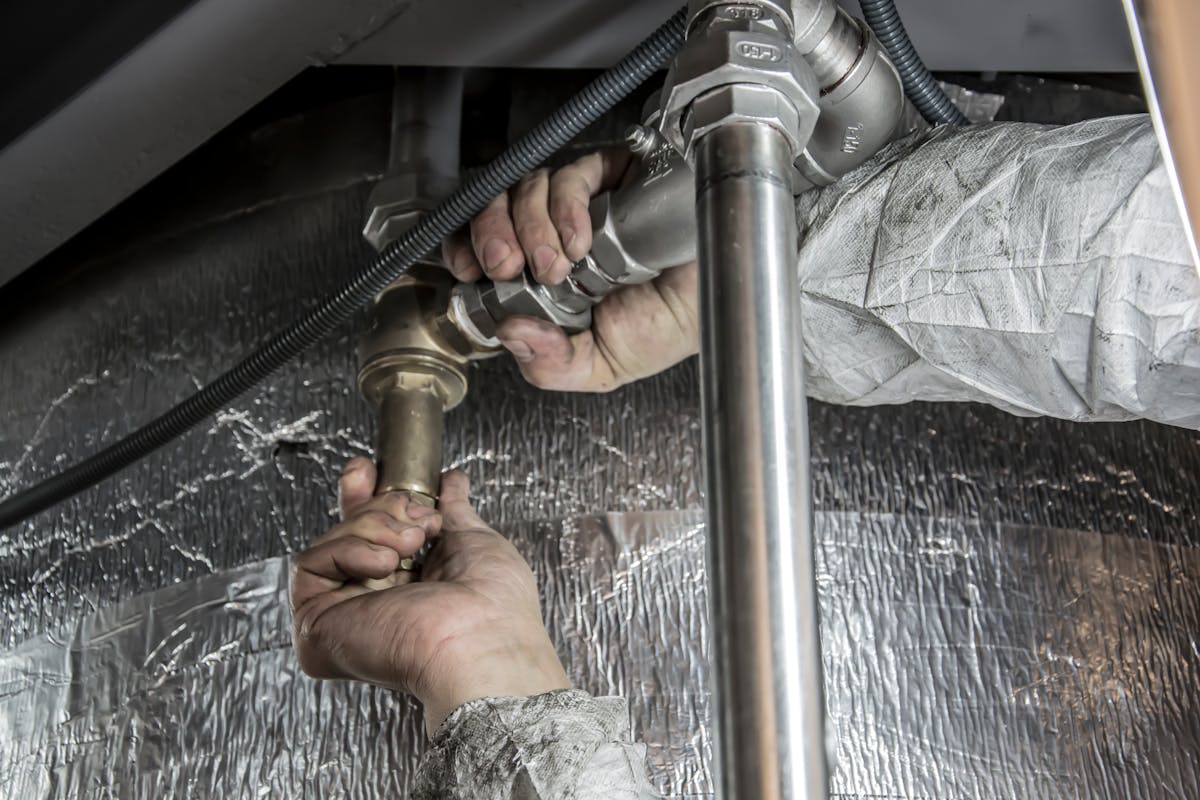
I started by inspecting the kitchen thoroughly, focusing on the areas where cockroaches usually hide.
I checked underneath the sink, behind the refrigerator, around the dishwasher, along cabinet edges, and near plumbing openings.
I also looked for egg cases, droppings, shed skins, and other signs that could help me understand how established the activity had become.
Once I identified the main areas, I explained what I had found to the homeowner.
The next step was treating the places where the cockroaches were hiding rather than simply spraying the areas where they had been seen.
I used targeted cockroach control methods in appropriate locations, including bait placements and treatment of accessible cracks and crevices.
While working through the kitchen, I pointed out the moisture underneath the sink and recommended getting the plumbing issue corrected.
We also discussed cleaning behind the appliances and keeping food containers properly sealed.
I asked the homeowner to avoid using additional store-bought sprays around the treated areas because some products can interfere with bait performance.
With cockroach control, the treatment needs to reach the areas where they're spending most of their time. Just killing the ones walking across the floor usually isn't enough.
The Outcome
During the first several days after treatment, the homeowner still noticed occasional cockroach activity.
I explained that this can happen while the treatment is working, especially when cockroaches have been hiding in areas that aren't normally disturbed.
By the follow-up visit, the activity had dropped considerably.
The monitoring traps showed fewer cockroaches, and the homeowner wasn't seeing them around the kitchen sink every night anymore.
At the next check, we weren't finding the same signs of active movement around the cabinets.
The homeowner told me the biggest relief was being able to walk into the kitchen at night without immediately checking the counters and sink.
That was the part that had been bothering them most.
We still discussed the importance of watching for any new activity because cockroaches can return if they're introduced again or favorable conditions remain.

DIY Advice
Before I left, I shared a few things homeowners can do to make their kitchens and other indoor areas less attractive to cockroaches.
1. Keep food properly stored. Use sealed containers for dry foods and avoid leaving uncovered food or pet food out overnight.
2. Clean underneath appliances. Crumbs, grease, and food residue can collect behind refrigerators, stoves, and dishwashers without being noticed.
3. Fix plumbing leaks. Check underneath sinks and around dishwashers for moisture. Cockroaches need water, and even a small leak can help support their activity.
4. Take out garbage regularly. Keep trash containers covered and clean up food residue around them.
5. Reduce clutter inside cabinets. Old cardboard, paper bags, and stored items can provide hiding places, especially in areas that aren't opened often.
6. Check plumbing openings. Gaps around pipes and cabinets can allow cockroaches to move between hidden spaces. Sealing appropriate openings can help reduce those routes.
These habits won't always eliminate an established cockroach infestation, but they can make treatment more effective and help reduce the chances of another problem developing.
"It's brighter than before!"
— Megan
Professional Insight
One thing I explain to homeowners is that the cockroaches they see are not necessarily the full problem.
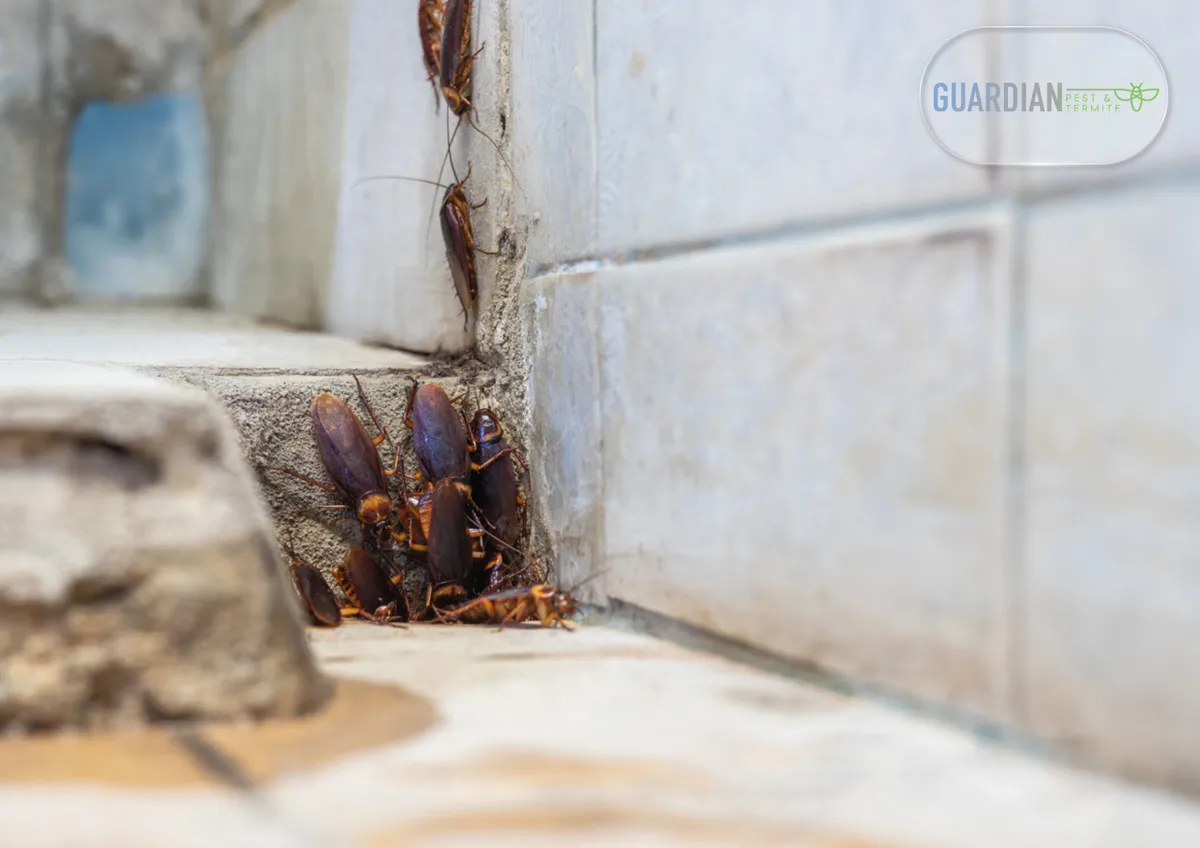
German cockroaches spend much of their time hidden in narrow spaces close to food, warmth, and moisture.
That's why someone might see only one or two cockroaches in the evening while more activity is happening behind appliances or inside cabinet spaces.
Those products may kill the insects they contact, but they don't necessarily reach the areas where the infestation is established.
Around the Greater Charlotte metropolitan area, I regularly remind homeowners that indoor cockroach activity deserves attention regardless of the season.
Identifying the species, finding the hiding areas, and addressing food and moisture sources are all important parts of getting the problem under control.
Closing Thoughts
This job started with a couple of cockroaches around the kitchen sink.
The homeowner had already tried cleaning and spraying, but the activity continued because the cockroaches had found places to hide behind the appliances and around the plumbing.
Once we identified those areas and addressed the conditions supporting the activity, the situation became much easier to manage.
If you're in the Greater Charlotte metropolitan area and you're finding cockroaches around your kitchen, bathroom, or laundry room, don't assume they'll disappear when the weather gets colder.
It's worth finding out where they're coming from before the activity becomes more established.
— David
Address
120 Academy St, STE 102-131, Fort Mill, SC 29715, United States
Contact Us
Call: (803)-913-9776
© 2024 Guardian Pest & Termite Services. All Rights Reserved.