
The Fort Mill Pest Journal
The Fort Mill SC Pest Control Journal
March - Ants - A Recent Job & Some Homeowner Tips
By David, Owner, Guardian Pest & Termite Services
What I Walked Into
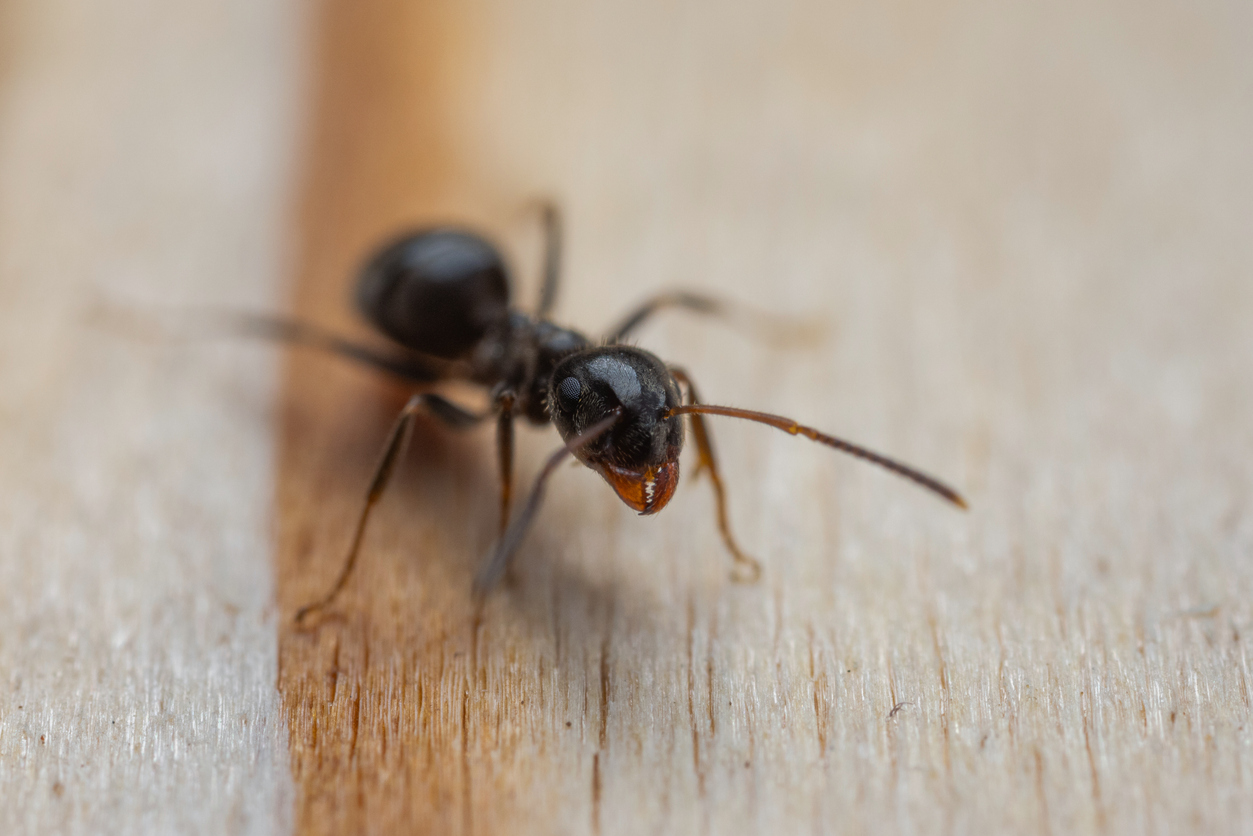
Earlier this month, I got a call from a homeowner here in South Carolina who said they were seeing “a few ants” in their kitchen every morning. At first, they thought it was just something small that would go away on its own. But after wiping them up several days in a row, they realized it wasn’t stopping.
It was a two-story home with a back patio and some mulch beds along the foundation. Nothing unusual. When I arrived, the ants were active near the sink and along the baseboards by the pantry. It didn’t look major yet, but I’ve learned that ants rarely stay small for long.
The Problem
Ant problems in March are very common here in South Carolina. As soon as the weather starts warming up, ants wake up and begin looking for food and moisture. They don’t need much. A few crumbs, a sticky spill, or a damp area near a sink is enough to draw them inside. Kitchens and bathrooms are usually where they show up first because that’s where food and water are easiest to find.
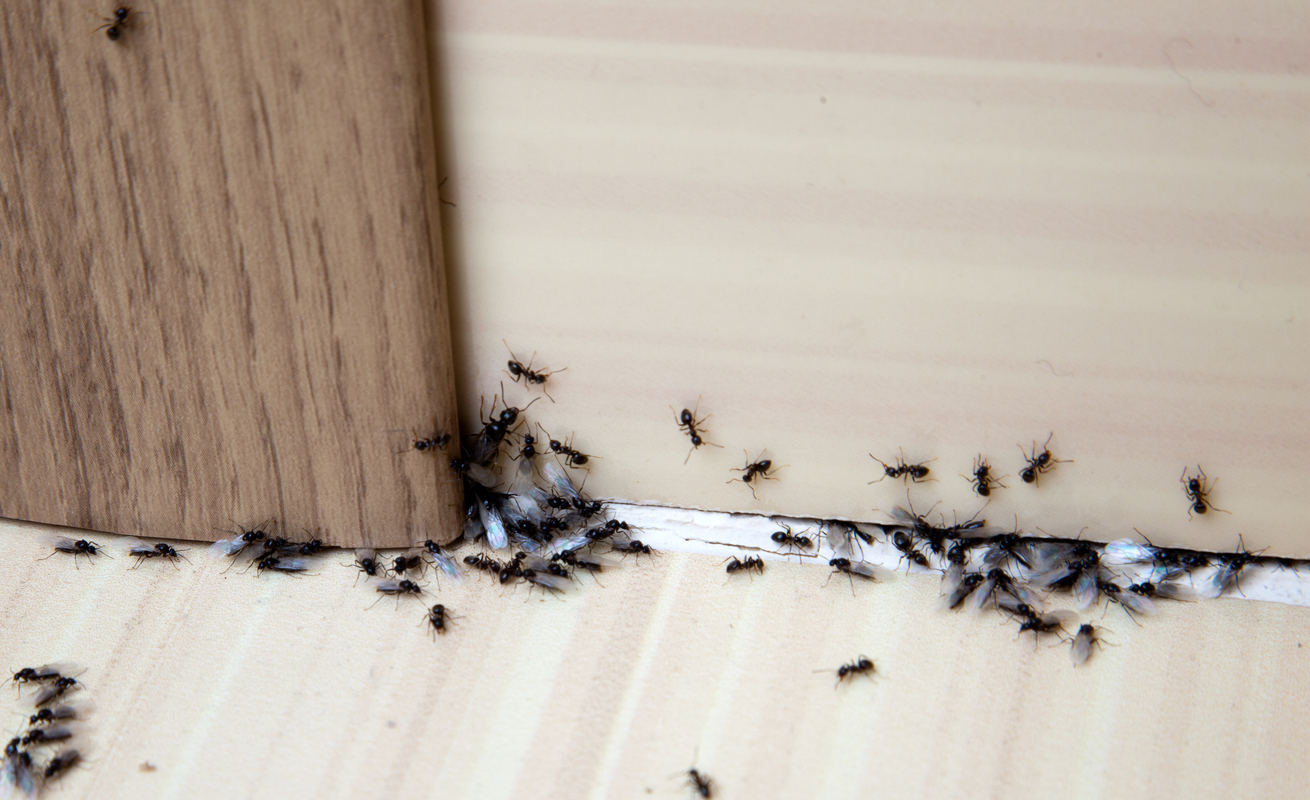
In this situation, the homeowner was only seeing a small trail along the counter and near the baseboard. It didn’t look overwhelming, but ants don’t move randomly. They follow a path. During the inspection, I traced that line back to a very small gap near a window frame. It was barely noticeable unless you were looking for it. Outside that same wall, there was a colony in the mulch bed close to the foundation.
The ants had a direct route: nest outside, food inside. Once they establish that path, they keep using it. The homeowner had been wiping down the counters and spraying what they could see, but the ants kept coming back. That’s usually the sign that the colony is still active and sending more ants in. With ants, if you only deal with the ones inside, you’re not solving the actual problem.
Another thing about ants is how fast they scale up. What looks like ten ants one day can turn into a steady line the next. That quick increase is what catches most people off guard.
The Process
The first step was identifying exactly what type of ant we were dealing with. Different species behave differently. Some nest outside and come in for food. Others may try to build satellite nests inside walls. The treatment depends on that behavior, so identification matters.
After that, I followed the interior trail carefully to confirm entry points. Instead of just treating the visible ants, I focused on where they were coming from. Those interior access points were treated directly and sealed where possible.
Then I moved outside to address the main colony near the mulch bed. That’s a key part of long-term control. If the outside source isn’t handled, ants will often find a new way in.
I also walked the full perimeter of the home to look for other small gaps, cracks, or areas where siding met the foundation. Even if those spots weren’t active yet, they could become entry points later. I made recommendations on sealing a few small openings around window trim and siding to prevent future access.
Everything was done in a controlled, targeted way. I don’t believe in over-treating. The goal is to focus on the source, block access, and remove the activity without disrupting the household more than necessary.
The Outcome
Within a short period of time, the indoor activity stopped. The trails along the counter disappeared, and there were no more ants showing up each morning. That steady line that had been forming every day just wasn’t there anymore.
The homeowner told me the biggest relief was being able to walk into the kitchen without immediately scanning the counters. It sounds minor, but when ants keep appearing, it becomes something you think about constantly. You start wiping surfaces more than usual and second-guessing every crumb. Once that stopped, things felt normal again.
After the exterior colony was addressed and the entry points were sealed, the problem didn’t return. There were no new trails, no random stragglers, and no signs of activity along the baseboards.
That’s usually how ants' jobs go when the source is handled properly. It’s not dramatic. It’s just steady improvement until the activity is gone and life goes back to normal.
DIY Advice I Shared
Before I left, I shared a few simple prevention tips that help during spring in South Carolina:
Keep counters wiped down, especially around sinks and food prep areas
Avoid leaving pet food out overnight
Store pantry items in sealed containers
Rinse recyclables before placing them in bins
Trim mulch and landscaping a few inches away from the foundation
Seal small cracks around windows and siding
Fix minor leaks under sinks that create moisture
They followed those steps, and it helped keep the home less attractive to ants going forward. Prevention with ants is mostly about food, moisture, and access.
Professional Insight
Ants are one of those pests people try to handle on their own first. Sometimes that works for minor issues. But when ants keep coming back, it usually means the colony hasn’t been located or treated.
Sprays from the store may kill the ants you see, but they don’t always eliminate the nest. Without addressing the colony and entry points, the problem often returns.
A proper inspection looks at both the inside and outside of the home. When the source is handled and access is sealed, ant problems tend to stay resolved instead of becoming seasonal repeats.
Closing
Ant calls always remind me how quickly something small can turn into a steady problem once spring hits in South Carolina. Most infestations don’t start big—they grow because they’re overlooked.
If you’re seeing a few ants and wondering if it’s going to get worse, it’s better to look into it early. That usually makes all the difference.
– David

Schedule a Pest Inspection
Ready to schedule a pest inspection? Contact us today.

Schedule a Termite Inspection
We also offer termite control in the Fort Mill area.
120 Academy St, STE 102-131, Fort Mill, SC 29715, United States
803-913-9776