
We're Here to Assist You
Rodent: A Recent Job in Fort Mill & What Homeowners Should Watch For
Category: Holiday
Published: March 2026
By: Guardian Pest & Termite
What I Walked Into
Rodent problems often start quietly.
A homeowner may hear scratching in the walls at night, notice a few droppings in the garage, or find small chew marks near stored items. At first, it may not feel like a major issue. But when rodents find a way inside, they can quickly start nesting, traveling, and creating more activity throughout the property.
At Guardian Pest & Termite, we always remind homeowners that rodent control is not just about removing the rodents you see. It is about finding how they got in, where they are moving, and what conditions may be allowing them to stay.

The Problem
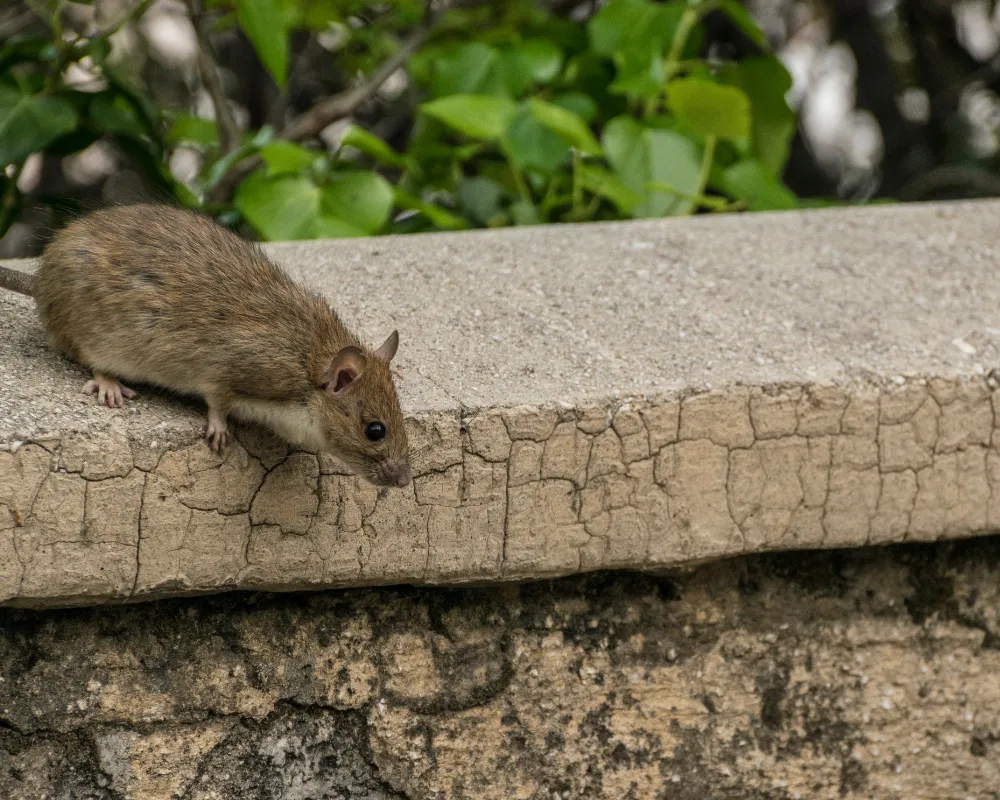
The biggest concern with rodents is how quickly the issue can spread.
Once rodents find shelter, they may move into attics, crawlspaces, garages, wall voids, or storage areas. They can contaminate surfaces, damage insulation, chew materials, and create odors. If entry points remain open, the problem can continue even after visible activity is reduced.
This is why a surface-level approach is not enough. Homeowners need to know where the rodents are coming from and what needs to be corrected to help reduce future activity.
The Process
Step 1 — Inspect the Activity Areas
We start by reviewing the places where the homeowner has noticed signs of activity. This may include garages, attics, crawlspaces, kitchens, storage rooms, or exterior walls.
Step 2 — Look for Entry Points
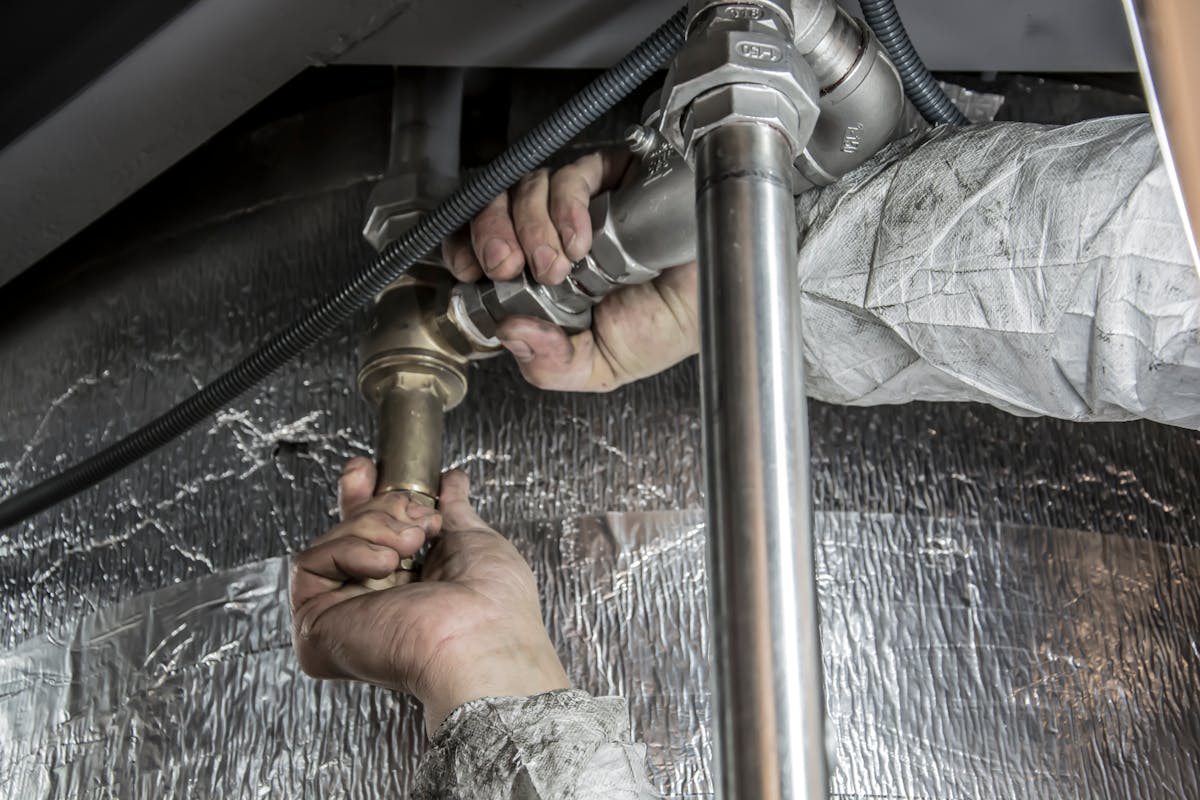
We check for small gaps, holes, utility openings, damaged seals, crawlspace access points, and other areas where rodents may be getting inside.
Step 3 — Review Contributing Conditions
Rodents are often attracted by food, shelter, clutter, moisture, and easy access. We look at the property conditions that may be supporting the problem.
Step 4 — Recommend a Clear Plan
After the inspection, we explain what we found and recommend the right service and prevention steps to help reduce rodent activity and future entry.
The Outcome
When rodent activity is handled properly, the homeowner gets more than a temporary fix.
The goal is to reduce current activity, identify how rodents are getting in, and give the homeowner clear next steps for prevention. This may include sealing gaps, improving storage, reducing attractants, and monitoring high-risk areas.
A good rodent plan helps homeowners feel more confident that the issue is being addressed at the source.

Prevention Tips
Here are a few steps we recommend:
Seal small gaps around the foundation and exterior walls.
Keep garage doors and exterior doors properly sealed.
Store food, pet food, and bird seed in sealed containers.
Reduce clutter in garages, attics, and storage spaces.
Trim vegetation away from the home.
Check crawlspace and attic access points.
Watch for new droppings, odors, or scratching sounds.
"It's brighter than before!"
— Megan
Professional Insight
A few rodent signs should not be ignored:
Droppings usually mean rodents are actively traveling through the area.
Scratching sounds may point to activity inside walls, ceilings, or attic spaces.
Gnaw marks can indicate rodents are chewing through materials to create access.
Open gaps around the home can allow the problem to continue.
Rodent problems are much easier to manage when the source is found early.
Closing Thoughts
If you notice rodent signs around your home, do not wait for the problem to grow.
A few droppings, scratching sounds, or small openings can be early signs of a larger issue. The sooner the property is inspected, the easier it is to understand what is happening and what needs to be done next.
Your home should feel protected, and Guardian Pest & Termite is here to help you guard it from the source.
— Guardian Pest & Termite
Services
Address
120 Academy St, STE 102-131, Fort Mill, SC 29715, United States
Contact Us
Call: (803)-913-9776
© 2024 Guardian Pest & Termite Services. All Rights Reserved.