We're Here to Assist You
TAP Pest Control Insulation: A Recent Attic Upgrade & Some Homeowner Tips
Category: Holiday
Published: September 2026
By David, Owner, Guardian Pest & Termite Services
What We Walked Into
I usually find September is a good time for homeowners around Indian Land and the Greater Charlotte area to start thinking about what is happening in the attic.
We are still dealing with plenty of warm weather, but cooler months are not far away. That usually gets people thinking about insulation, indoor comfort, and whether their attic is doing as much for the home as it should.
Earlier this month, I visited a homeowner who had been noticing that the upstairs of their house was harder to keep comfortable than the first floor. They also mentioned that they could hear more outside noise through that part of the home than they expected.
They were not calling because of one obvious pest problem. What they really wanted to know was whether their existing attic insulation was still doing its job and whether there was a better option available.
When I got into the attic, the first thing I noticed was that the insulation coverage was inconsistent. Some areas had a reasonable amount, while other sections around edges and irregular spaces were much thinner.
That is something I see fairly often.
An attic can technically have insulation and still have areas where the overall coverage could be improved.

The Problem
I quickly saw that the biggest issue was not that the attic had no insulation, but that the existing insulation was not giving the homeowner the kind of consistent coverage they wanted.
There were thinner areas around parts of the attic, and some of the more awkward spaces were not covered as evenly as they could have been.
That matters because an attic works as a complete system. If some areas are well insulated and others are not, those weaker spots can still affect how comfortable the rooms below feel.
The homeowner was also interested in having some additional pest-resistant protection in the attic.
Attics can provide pests with a quiet, protected area of the home, especially when there are entry points around rooflines, vents, utility penetrations, or other openings.
That does not mean insulation by itself solves every pest problem, and I always make that clear.
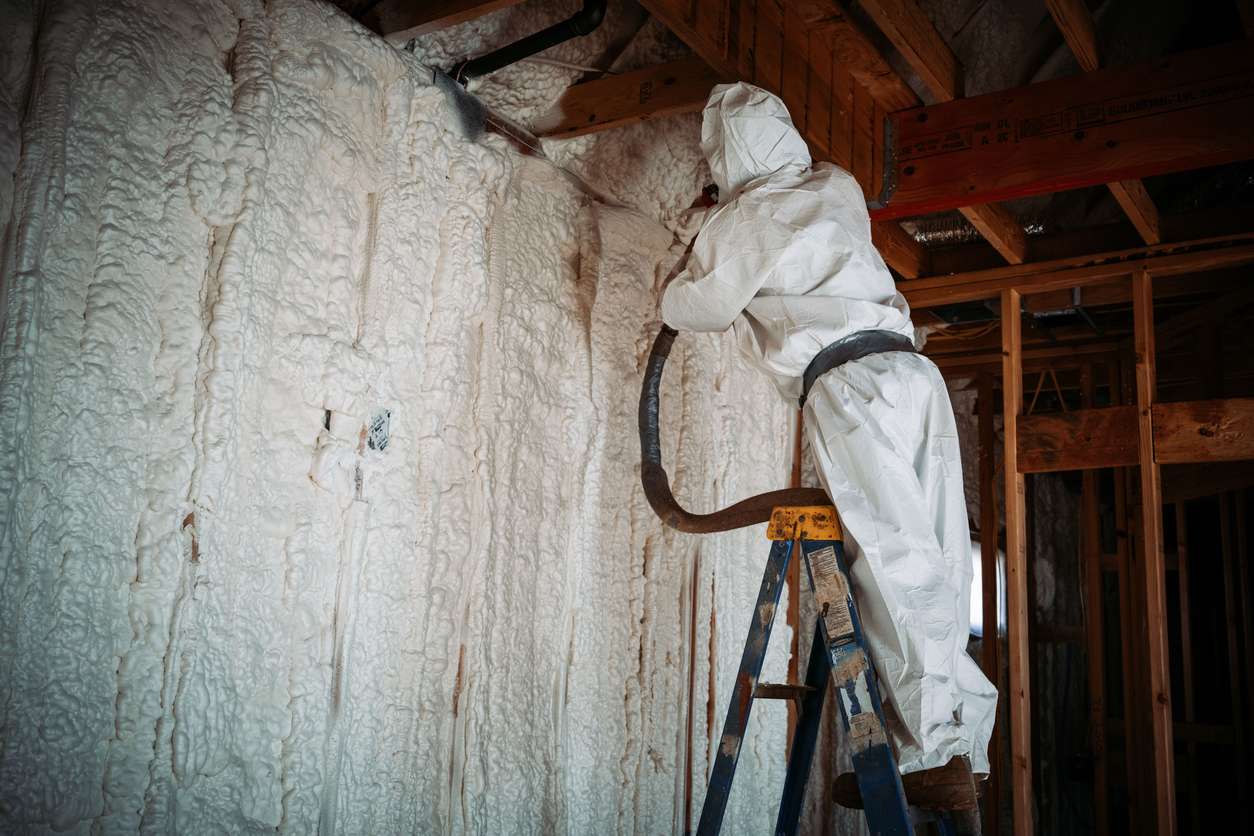
But TAP® Pest Control Insulation is different from standard insulation because it is a loose-fill cellulose product treated with borate. Along with helping support thermal performance and sound reduction, it adds pest-resistant protection within the treated attic area.
For this homeowner, that combination made sense because they were looking at more than one concern at the same time.
The Process
I started with a full attic review so I could understand what was already there and what the home actually needed.
Before recommending any insulation work, I wanted to understand how evenly the existing material was distributed and whether there were any visible conditions that needed to be addressed first.
I looked at the existing insulation levels, the attic layout, access areas, and places where coverage was thinner or inconsistent.
I also paid attention to moisture concerns and potential pest access points because I do not like looking at insulation as a completely separate issue from the rest of the attic.
Once we had gone through everything, I explained why TAP® Pest Control Insulation was a good fit for what the homeowner was trying to accomplish.
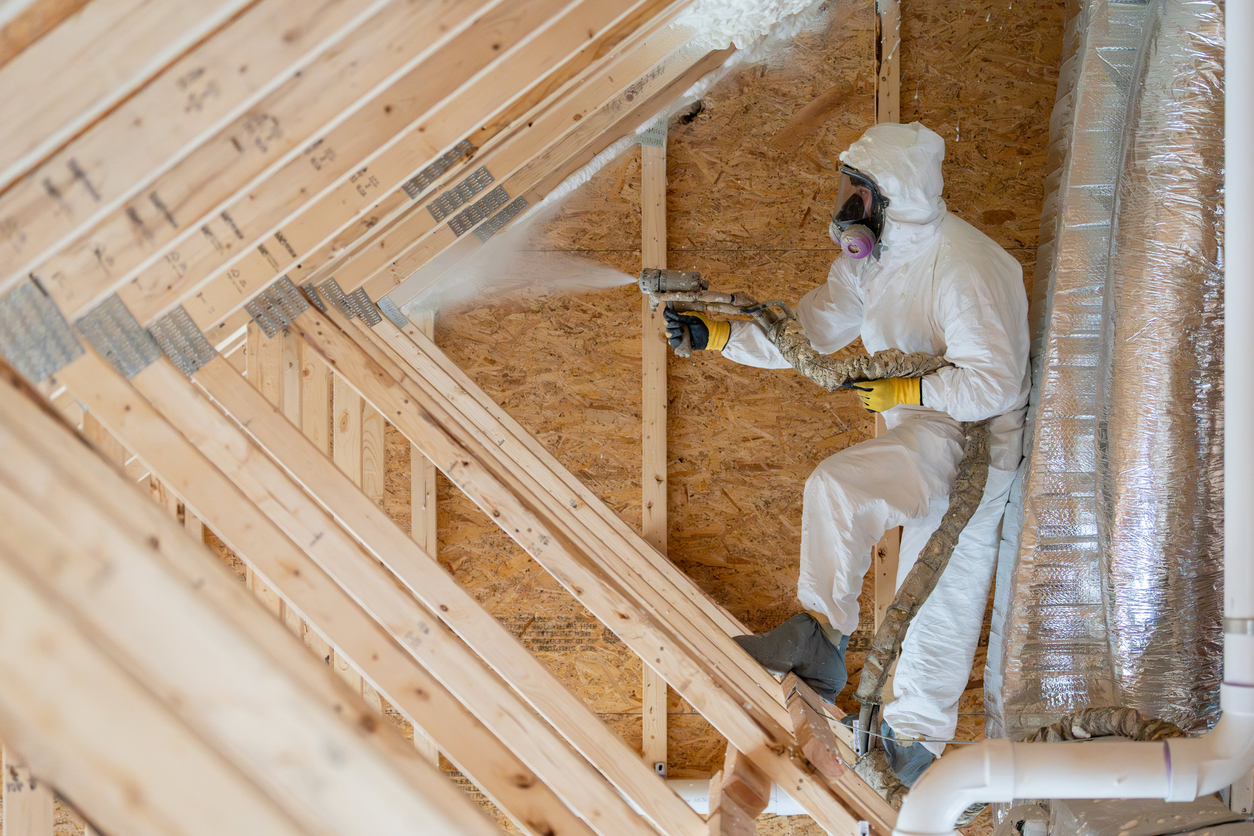
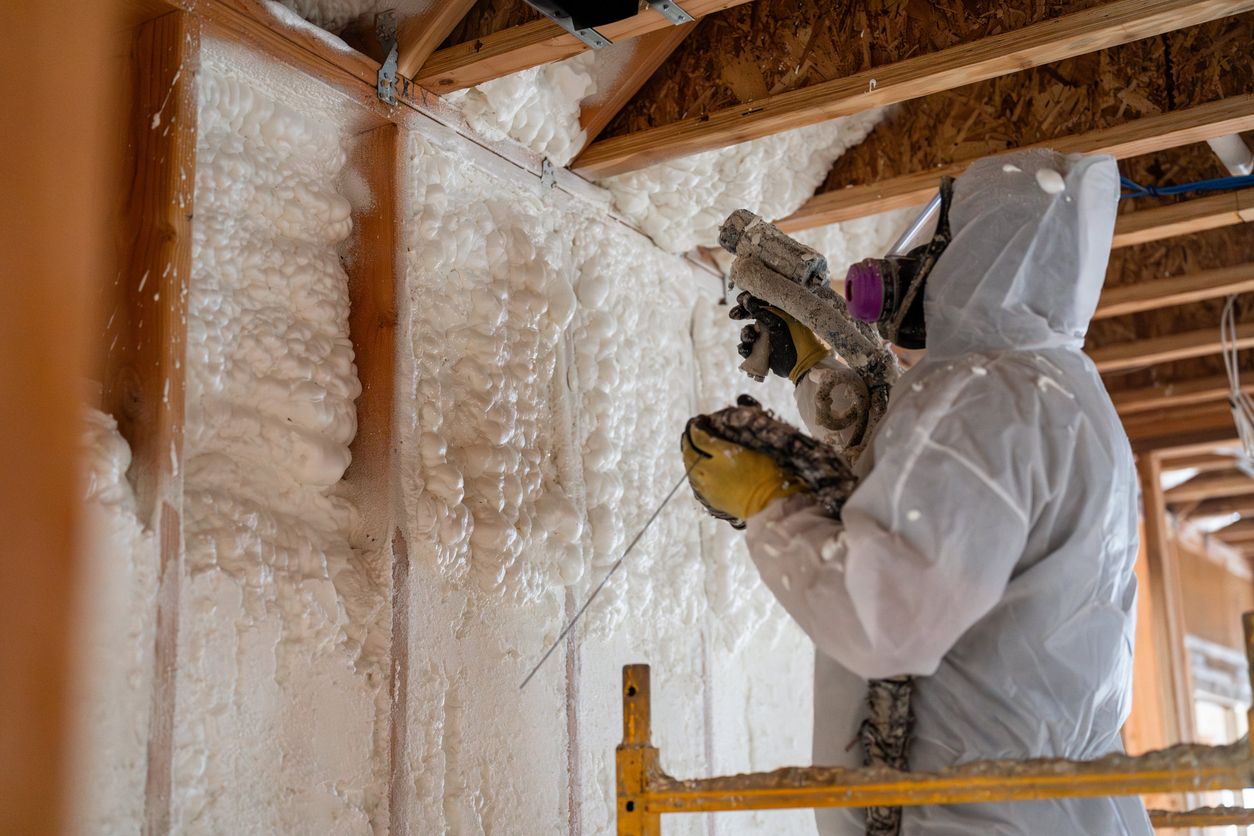
TAP® is installed as blown-in insulation, which allows it to settle into gaps, edges, and irregular spaces that can be more difficult to cover evenly with some other types of insulation.
The material was installed across the appropriate attic areas to improve overall coverage while adding the pest-resistant benefits of the borate-treated cellulose.
Once the installation was complete, we reviewed the attic again and talked about a few things the homeowner could continue watching over time, including moisture, access points, and any signs that pests may be entering from outside.
I always want homeowners to understand the service they are getting rather than simply seeing a finished attic and not knowing what changed.
The Outcome
I was pleased to see that the biggest difference after the installation was the consistency of the attic coverage.
The thinner and harder-to-reach areas were filled in much more evenly, giving the attic a more complete insulation layer than it had before.
For the homeowner, that meant they had addressed several concerns with one attic improvement.
They wanted better support for indoor comfort, some help with unwanted noise, and an added layer of pest-resistant protection in an area of the home they rarely see.
TAP® gave us a way to address all three.
What they appreciated most was understanding that this was not simply a matter of adding more insulation wherever there was space.
We first looked at the attic conditions, talked about what they were hoping to improve, and then decided whether TAP® made sense for the home.
That is an important part of the process because every attic is a little different.
Some homes may need additional insulation. Others may have moisture, access, or existing pest issues that should be dealt with before insulation becomes the priority.
In this case, the attic was a good candidate, and the homeowner ended up with better overall coverage and a much clearer understanding of how the space should be maintained going forward.

DIY Advice
I also gave the homeowner a few simple attic-related things they could keep an eye on themselves after the service.
1. If you can safely view your attic, look for areas where insulation appears noticeably thinner than the surrounding sections.
2. Pay attention to rooms directly below the attic that are consistently harder to heat or cool than the rest of the house.
3. Watch for moisture stains, damp materials, or condensation because insulation works best when moisture problems are addressed.
4. Check around visible attic openings, vents, rooflines, and utility penetrations for signs that pests may be finding their way inside.
5. Avoid compressing or moving insulation unnecessarily when accessing the attic because uneven areas can reduce the consistency of coverage.
These checks will not tell you everything about how well your attic is performing, but they can help you notice when something does not look right.
"It's brighter than before!"
— Megan
Professional Insight
I always explain to homeowners that insulation is not just about having a certain amount of material sitting in the attic.
Coverage matters.
An attic has edges, gaps, corners, framing, penetrations, and other irregular areas that can make even insulation difficult.
That is one reason blown-in products can be useful. They can reach areas that are harder to cover evenly and help create a more consistent layer across the attic.
TAP® also gives homeowners another benefit because the cellulose is treated with borate for pest-resistant protection.
That does not mean you should ignore entry points or assume that insulation replaces regular pest prevention.
If rodents, insects, or other pests have a way into the attic, I still want to know how they are getting there.
The best approach is usually to look at the attic as a whole. Insulation, moisture, access points, ventilation, and pest activity can all affect what is happening in that space.
When those pieces are considered together, you can make a much better decision about what the home actually needs.
Closing Thoughts
I think this job is a good example of why an attic issue does not always have to start with a major problem.
The homeowner simply knew the upstairs was not as comfortable as they wanted it to be and wondered whether their insulation could be improved.
Once we looked at the attic, it became clear that the existing coverage was uneven and that TAP® Pest Control Insulation could give them a more complete solution.
They ended up with improved attic coverage, support for better indoor comfort and noise reduction, and added pest-resistant protection in the treated area.
If you're in Indian Land or the Greater Charlotte area and you're not sure how well your attic insulation is performing, it is worth having the space looked at before simply adding more material.
Sometimes the issue is insulation. Sometimes it is moisture, pest access, or something else happening in the attic.
The important thing is knowing what you're working with before deciding what comes next.
— David
Services
Address
120 Academy St, STE 102-131, Fort Mill, SC 29715, United States
Contact Us
Call: (803)-913-9776
© 2024 Guardian Pest & Termite Services. All Rights Reserved.