

We're Here to Assist You
Why Rodents Start Moving Indoors: A Recent Job & Some Homeowner Tips
Category: Holiday
Published: October 06, 2026
By David, Owner, Guardian Pest & Termite Services
What We Walked Into
October is usually when I start telling homeowners around the Greater Charlotte metropolitan area to pay closer attention to the first signs of rodents moving indoors.
We don't have to be dealing with freezing temperatures for that change to start.
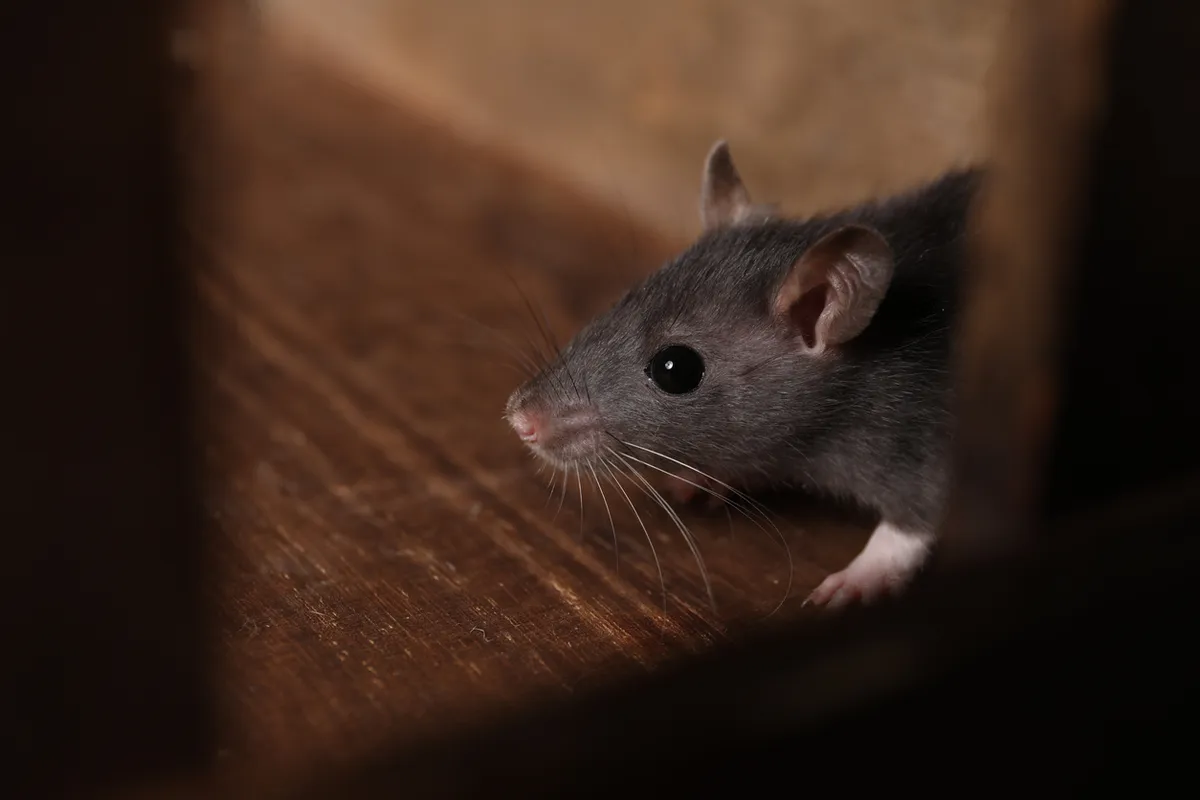
Earlier this month, I got a call from a homeowner who had started hearing a light scratching sound near the kitchen late at night. It wasn't happening every night, and they hadn't actually seen a mouse, so at first they weren't sure if it was anything to worry about.
When I arrived, I asked where they had first heard the noise and where the droppings had been found. From there, I started looking for a connection between the outside of the home, the garage, and the area near the kitchen.
It didn't take long to find a few clues.

The Problem
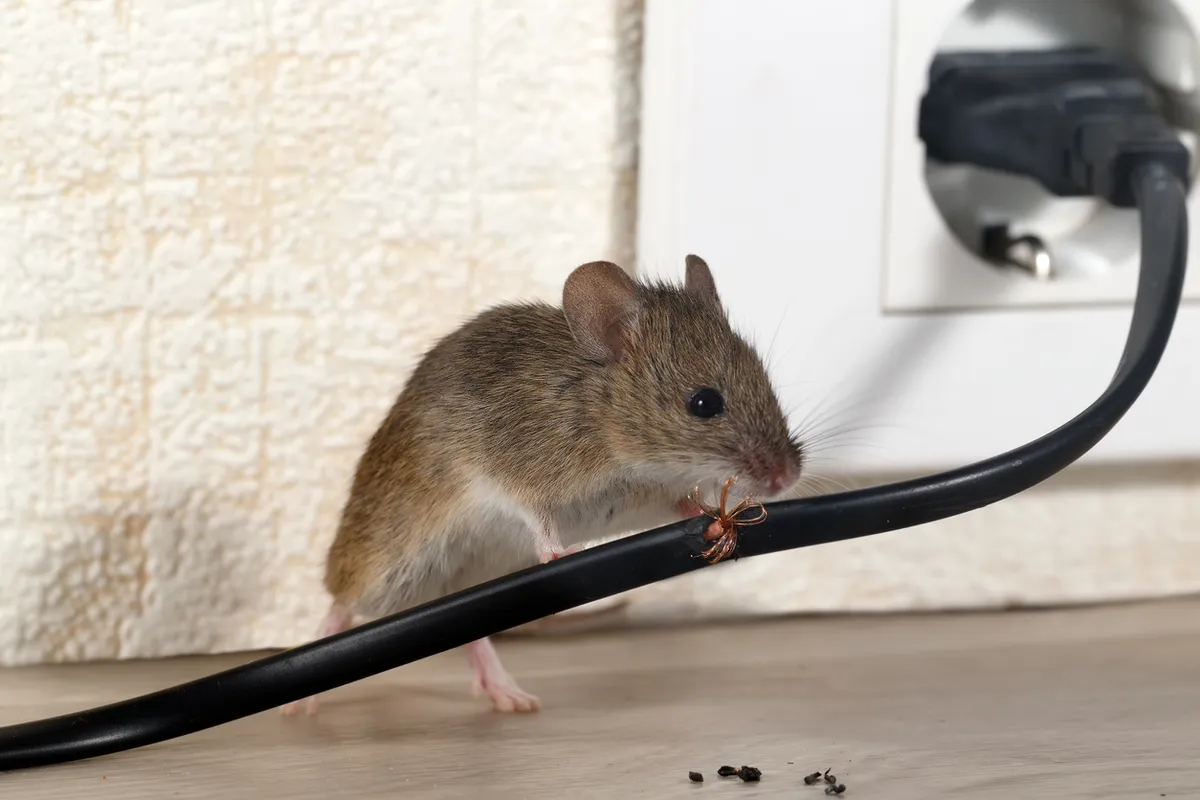
The rodent activity hadn't reached the point where mice were being seen regularly inside the living areas, but there were clear signs that they had already started using the property.
In the garage, I found droppings along the wall behind some stored items. There were also signs of activity near the pet food storage area.
Outside, one of the first things I noticed was a small gap near a utility line entering the house. There was also an area along the bottom of the garage door where the seal wasn't sitting tightly against the ground.
This is why October rodent problems can catch homeowners off guard. The weather may still feel fairly mild during the day, but rodents are already responding to seasonal changes and looking for protected places to spend more time.
Once they find an opening, the inside of a home gives them plenty of reasons to stay. Garages provide storage and hiding places. Kitchens provide food. Attics and crawl spaces provide quiet areas where they're rarely disturbed.
In this case, the homeowner had caught the activity fairly early. The concern was making sure those first few signs didn't turn into rodents settling deeper inside the home.
The Process
I started with a full exterior inspection.
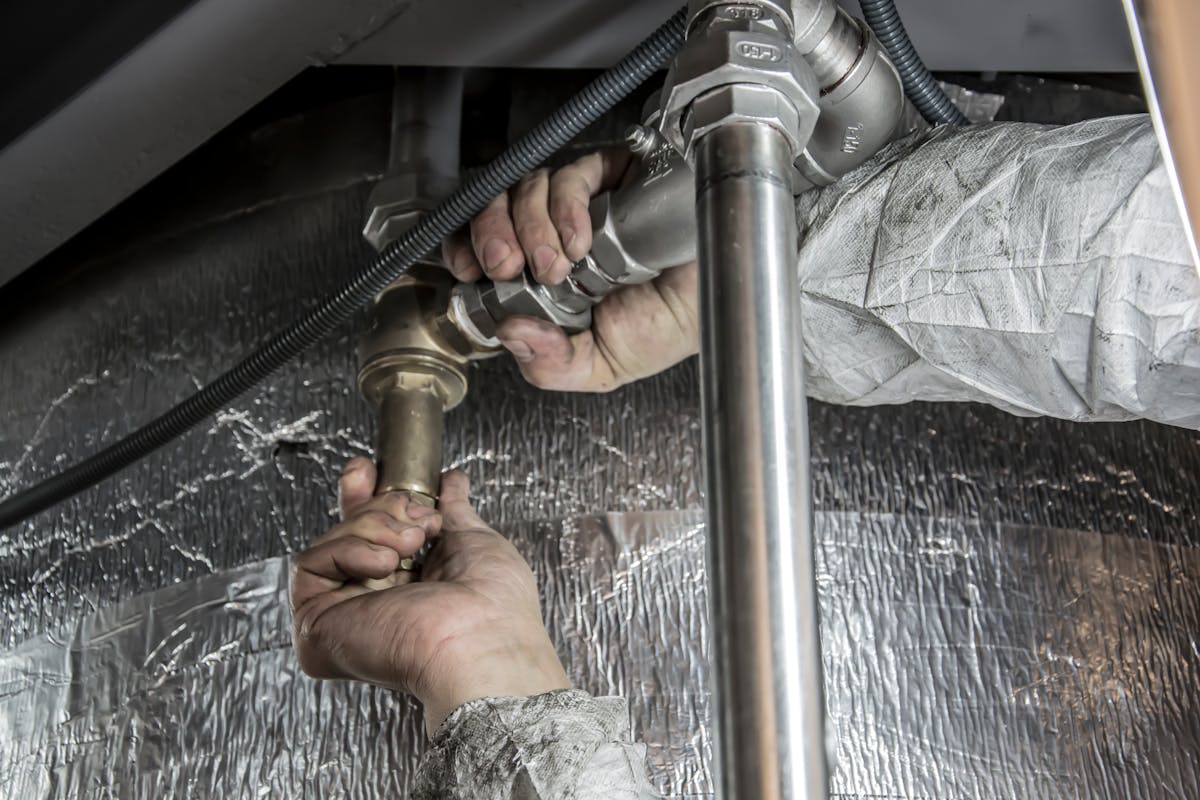
I checked along the foundation, garage doors, utility penetrations, vents, crawl space areas, and other places where a mouse could potentially get inside.
The small utility opening and the garage door gap were the two areas that stood out most, but I continued around the rest of the structure because rodents don't always use the most obvious entry point.
After that, I moved into the garage and followed the areas where we had already found signs of activity. I checked behind stored items, along the walls, around shelving, and near the door leading from the garage into the house.
Once we had a better understanding of the activity, the next step was dealing with the rodents already present while also addressing how they were getting inside.
The entry points needed attention, but we also talked about the garage itself. The pet food needed to be moved into a sealed container, and some of the boxes stored directly against the walls needed to be reorganized.
Those changes might seem small, but they make it easier to spot new activity and give rodents fewer protected places to hide.
The Outcome
After the entry points were addressed and the rodent activity was dealt with, the homeowner stopped finding new droppings in the garage.
The scratching they had been hearing near the kitchen also stopped.
Over the following weeks, they kept checking the areas we had discussed and didn't find any new signs of activity.
The homeowner told me later that they were glad they hadn't waited until they actually saw a mouse running through the house.
That's something I remind people about regularly. Seeing a rodent isn't always the beginning of the problem. Sometimes it's simply the first time the problem becomes obvious.

DIY Advice
October is a good time to spend a few minutes checking the areas around your home that rodents are most likely to use.
1. Check around garage doors. Look closely at the bottom corners and seals. If you can see a noticeable gap, it's worth addressing.
2. Look around utility lines and pipes. Openings where electrical, plumbing, cable, or HVAC lines enter the structure can provide rodents with an easy way inside.
3. Keep food properly stored. Pet food, bird seed, and other dry goods should be kept in containers rodents can't easily access.
4. Move clutter away from walls. Boxes and stored items along garage or basement walls give rodents quiet places to travel and hide.
5. Trim vegetation around the house. Thick bushes, vines, and other vegetation close to the structure can provide cover as rodents move around the property.
You don't need to wait until you see a mouse in the middle of the kitchen before checking for a problem.

"It's brighter than before!"
— Megan
Professional Insight
One thing I notice every October is that homeowners sometimes think it's still too early in the year for rodents to start coming inside.
Rodents don't wait for the first freezing night.
As temperatures begin changing and outdoor conditions become less predictable, protected spaces around homes become more attractive. If there's an opening available, they'll use it.
If the same garage gap, utility opening, vent, or other access point stays open, you're leaving a route available for the next rodent.
Around the Greater Charlotte metropolitan area, October is a good time to find those vulnerabilities before we get deeper into the cooler months.
Closing Thoughts
This particular job started with a little scratching at night and a few droppings behind some items in the garage.
There wasn't a mouse running through the kitchen, and there wasn't a major infestation. There were just enough signs to tell us something had started.
If you're in the Greater Charlotte metropolitan area and you're starting to hear scratching at night, finding droppings in the garage, or noticing gaps around the outside of your home, October is a good time to take a closer look.
Those small signs are usually easier to deal with now than after rodents have spent weeks settling inside.
— David
Address
120 Academy St, STE 102-131, Fort Mill, SC 29715, United States
Contact Us
Call: (803)-913-9776
© 2024 Guardian Pest & Termite Services. All Rights Reserved.